
Pandora’s New “5th C” Highlights a Growing Shift Towards Carbon Transparency
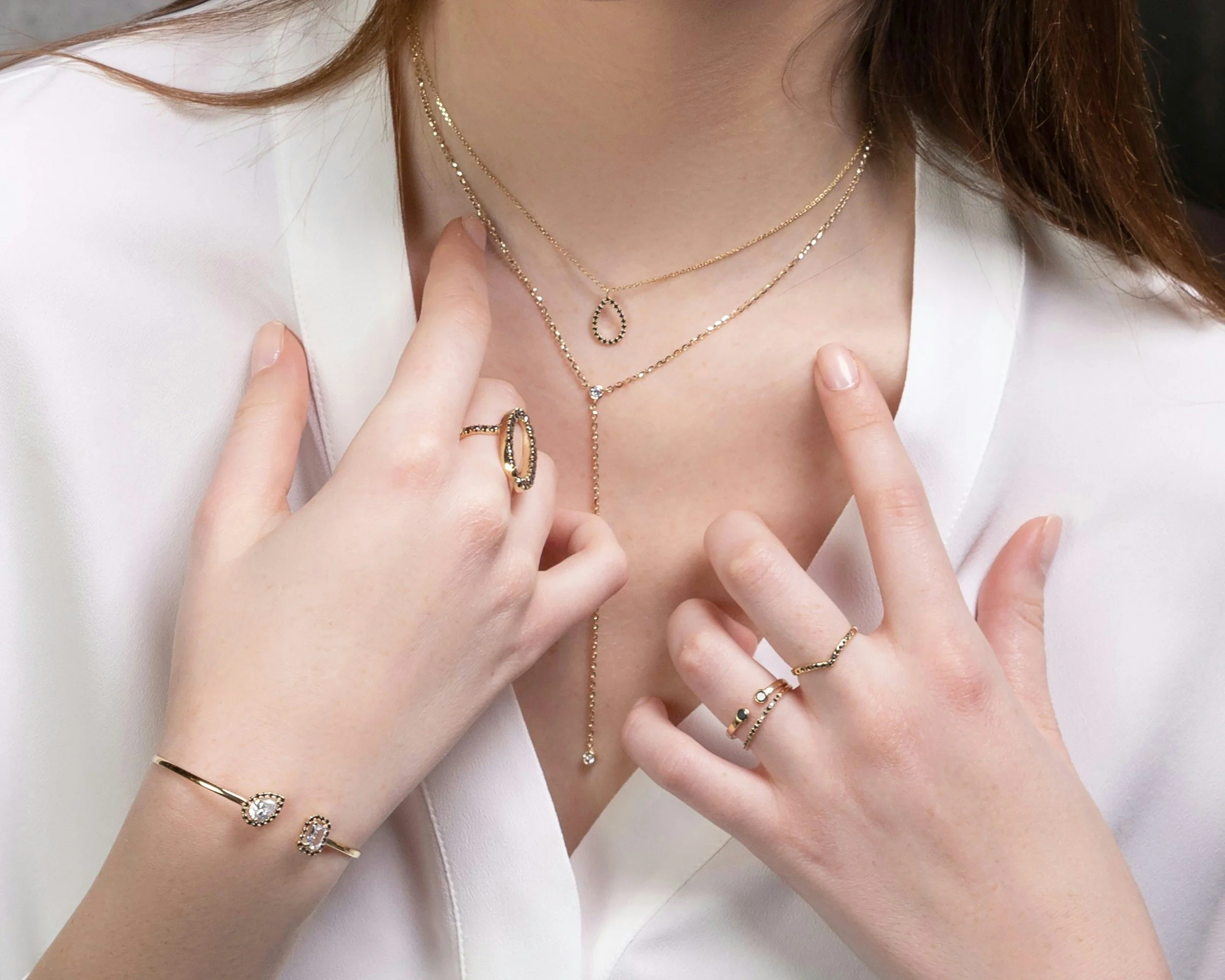
The jewellery industry has long relied on the 4Cs: Cut, Colour, Clarity and Carat; to define the quality and value of diamonds. However, a recent announcement from Pandora suggests a fifth consideration may soon become part of the conversation: Carbon Footprint.
In May 2026, Pandora announced that it would begin displaying the carbon footprint of its lab-grown diamonds alongside traditional diamond grading information. The initiative, which the company has described as the “5th C”, represents one of the most visible examples of product-level carbon footprint disclosure in the global jewellery sector.
From a sustainability perspective, this development is significant. While environmental claims have become commonplace across many industries, providing quantified carbon footprint data directly to consumers remains relatively uncommon. Pandora’s move signals a broader trend towards transparency, measurable sustainability performance, and data-driven decision-making.
Why Product Carbon Footprints Matter
As environmental reporting requirements continue to evolve globally, businesses are increasingly being asked to move beyond high-level sustainability commitments and provide evidence-based environmental data.
Product Carbon Footprints (PCFs) offer a way to quantify greenhouse gas emissions associated with a product throughout its lifecycle. Depending on the scope of the assessment, this can include raw material extraction, manufacturing, transportation, packaging and end-of-life impacts.
For consumers, PCFs provide greater visibility into the environmental impacts associated with products. For businesses, they create opportunities to identify emissions hotspots, improve operational efficiency, and support sustainability claims with verifiable data.
In Pandora’s case, the company reports that a one-carat lab-grown diamond generates 12.58 kg CO₂e prior to leaving the factory gate. According to Pandora, this footprint is approximately 90% lower than that of a comparable mined diamond. The assessment was conducted using Life Cycle Assessment (LCA) methodology and independently verified.
While comparisons between mined and lab-grown diamonds remain complex and often depend on methodological assumptions and the basis for comparison, the more important takeaway is the introduction of quantified environmental information into a category traditionally driven by aesthetics, rarity and price.
Moving Beyond Sustainability Claims
The growing demand for environmental transparency is reshaping consumer expectations across multiple sectors, including fashion, consumer goods, electronics and luxury products.
Historically, sustainability messaging within the jewellery industry has focused on ethical sourcing, responsible mining practices and recycled materials. While these initiatives remain important, stakeholders increasingly expect organisations to provide measurable evidence supporting environmental claims.
Product carbon footprint disclosures represent a step in that direction.
By publishing specific emissions figures and providing information about its assessment methodology, Pandora is moving beyond broad sustainability statements towards data-backed environmental reporting. This approach aligns with emerging global expectations around environmental transparency and disclosure.
Importantly, the value of carbon footprint information depends heavily on the robustness of the underlying assessment. Transparent methodologies, clearly defined system boundaries, third-party verification and alignment with recognised standards such as ISO 14040 and ISO 14044 remain critical for ensuring credibility and comparability.
At the same time, increasing transparency may place greater scrutiny on supply chains, manufacturing processes and material sourcing decisions. Organisations will need reliable data systems and consistent methodologies to support future environmental disclosures.

A Sign of What’s Ahead
Whether carbon footprint information becomes as familiar as cut, colour, clarity and carat remains to be seen. However, Pandora’s initiative highlights an important shift in how environmental information is being communicated to consumers.
At Carbon LCA Certified, we see this as part of a broader transition towards measurable sustainability. As organisations seek to substantiate environmental claims and meet increasing stakeholder expectations, robust Life Cycle Assessment and Product Carbon Footprint methodologies will play an increasingly important role.
Transparency alone does not reduce emissions. However, transparent, credible and verified environmental data provides the foundation for informed decision-making, meaningful reductions and greater accountability across value chains.
Pandora’s “5th C” may be remembered not simply as a marketing initiative, but as an early indicator of a future where environmental performance becomes a standard product attribute rather than a supplementary consideration.
Book your free LCA scoping
If your organisation is committed to making a measurable sustainable impact, staying ahead of the competition, strengthening brand visibility, and achieving globally recognised certification, now is the time to connect with us. Visit our webpage today to get started with a complimentary LCA scoping session and take the first step toward credible, results-driven sustainability leadership.
References
Pandora Group. Pandora Adds Carbon Footprint Labelling for Lab-Grown Diamonds (2026).
ESG Today. Pandora Introduces Carbon Footprint Labelling for Lab-Grown Diamonds (2026).
ESG Dive. Pandora to Add Carbon Footprint Labeling for Lab-Grown Diamonds (2026).
Net Zero Compare. Pandora Adds Carbon Footprint Labels to Lab-Grown Diamonds as Jewellery Transparency Gains Momentum (2026).
ISO 14040: Environmental Management – Life Cycle Assessment – Principles and Framework.
ISO 14044: Environmental Management – Life Cycle Assessment – Requirements and Guidelines.