
Sustainable Living with Bangkok’s ECOTOPIA. How sustainable is ECOTOPIA?
Sustainability in Thailand
Asia is increasingly recognised as a leader in sustainability initiatives, particularly in the integration of eco-friendly practices into everyday life.
Numerous cities in Asia prioritise resource efficiency, communal systems, and low-waste living, which includes public transport, compact urban environments, and traditional methods of reuse and repair. Additionally, both governmental and private sectors throughout Asia are making substantial investments in renewable energy, green building practices, and sustainable innovations to accommodate their rapidly expanding populations, and Thailand is no exception.
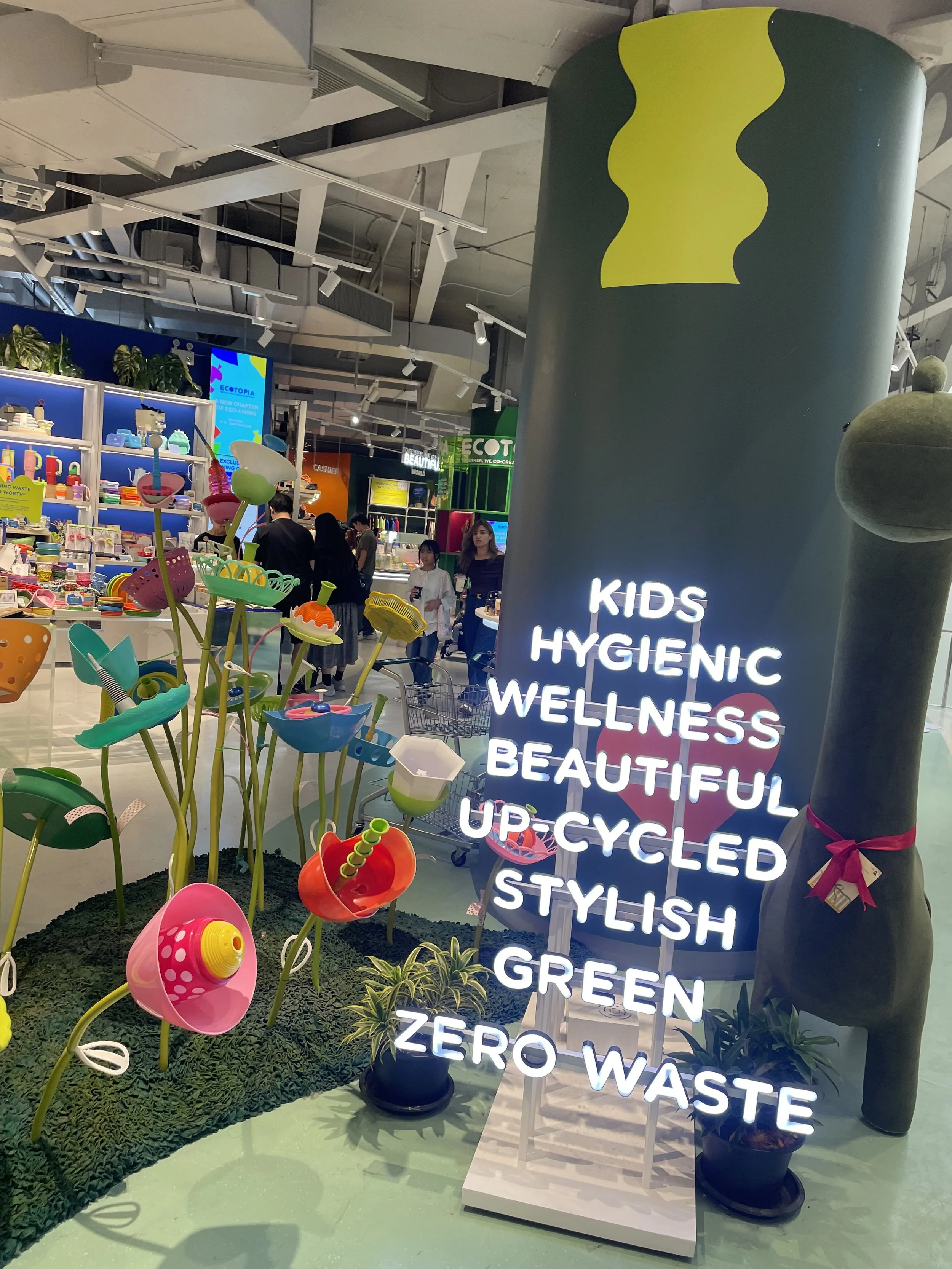
ECOTOPIA is Bangkok’s newest sustainability experience. ECOTOPIA is the most comprehensive global lifestyle product collection in Asia, and is presented at NEXTOPIA.

An eco-community
ECOTOPIA serves as a multi-brand eco-lifestyle store and community centre located in the heart of Bangkok, in Siam. It is intended to foster sustainable consumption, promote healthy living, and enhance environmental awareness through its offerings and experiences. The underlying concept is encapsulated in the phrase "Together, We Co-Create a Better World," with the goal of uniting eco-conscious individuals, local artisans, and global brands to encourage sustainable lifestyles.
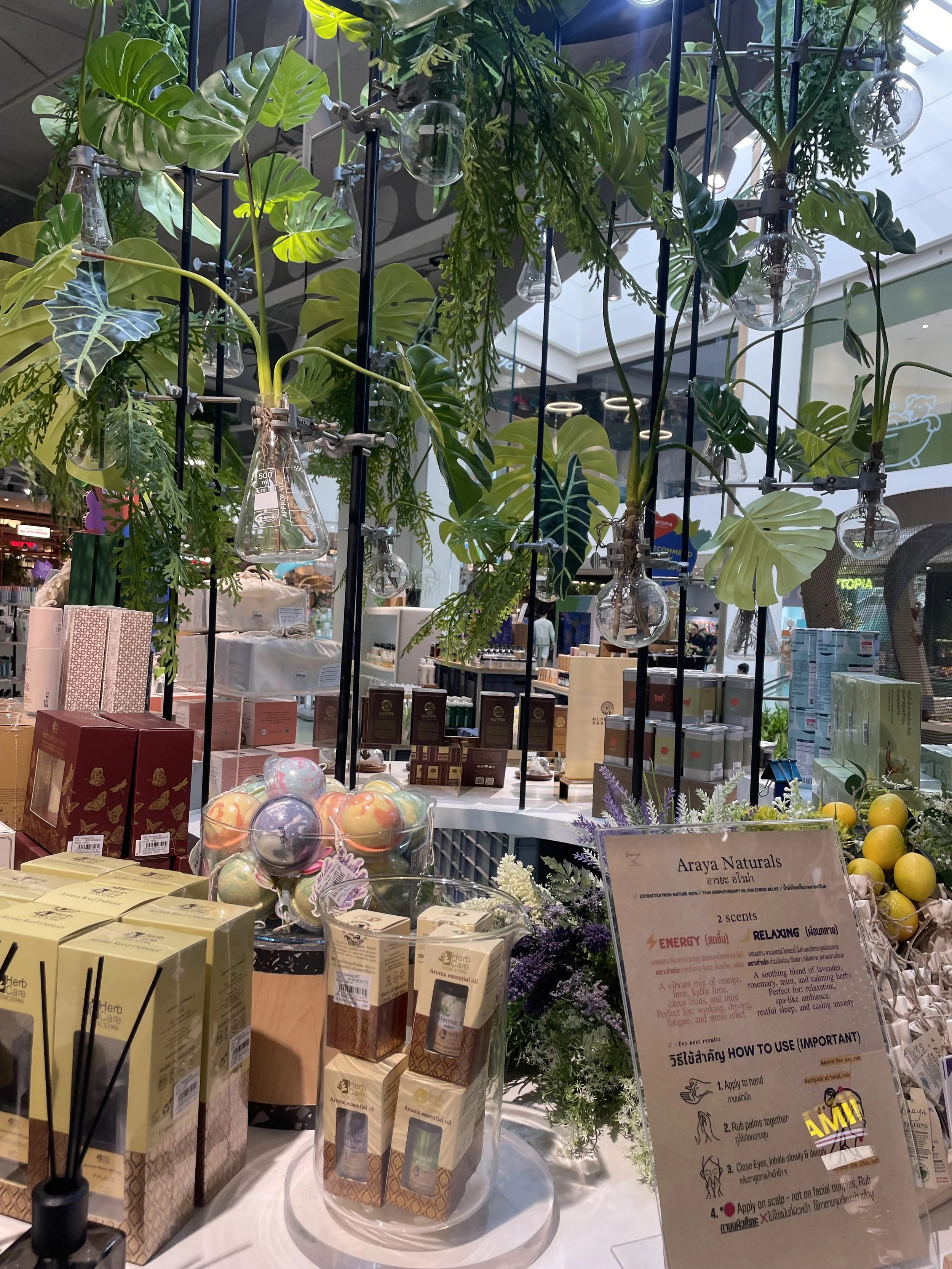
A collaborative platform established by a diverse group of co-creators from various fields of expertise, designed to foster an easy and enjoyable sustainable lifestyle featuring over 300 brands of eco-friendly products that benefit you, your loved ones, and the planet. ECOTOPIA serves as a green community that encourages small changes, which collectively lead to a substantial impact on our society and the world by offering activities throughout the year. Together, the community works towards co-creating a better world.
How sustainable is ECOTOPIA?
ECOTOPIA Bangkok has established itself as a premier eco-lifestyle hub in Thailand highlighting sustainable products, advocating for zero-waste principles, and encouraging consumers to reconsider their consumption habits. Its mission is in harmony with pressing global objectives: minimizing waste, endorsing ethical brands, and enhancing awareness of environmental challenges. Nevertheless, although the concept is both inspiring and impactful, a thorough evaluation of its actual sustainability effects is warranted.
Sustainability in Thailand
Collectively, places such as ECOTOPIA and the wider regional perspective illustrate how Asia is influencing a future in which sustainability is not merely a niche trend, but rather a fundamental aspect of daily living.
Although, there appears to be numerous positives to exhibits such as ECOTOPIA, there are some issues such as the below:
1. Consumption vs. Systemic Change
Although the promotion of eco-friendly products can mitigate harm, it still operates within a consumerist paradigm. The core problem of overconsumption is not adequately tackled when sustainability is primarily framed through purchasable items rather than through necessary systemic transformations (e.g. waste management, policy reforms, corporate oversight).
2. Greenwashing Risks
Not every product labeled as "eco-friendly" offers genuinely substantial environmental advantages. In the absence of clear impact data (such as life-cycle assessments and third-party certifications), there exists a risk that certain items are advertised as "green" based on limited or superficial criteria, a phenomenon known as greenwashing.
3. Accessibility & Equity
Sustainable products found in curated retail environments are frequently priced higher and cater to middle and upper income demographics. This situation can perpetuate the notion that sustainability is a luxury option, rather than a necessity that should be accessible to all. Individuals with constrained financial means may find zero-waste products or refill systems prohibitively expensive.
4. Limited Scope of Impact
ECOTOPIA’s influence is most pronounced within the urban and retail culture of Bangkok. However, its effect on wider environmental systems, such as agricultural methods, industrial pollution, national waste management, or energy policies, remains relatively indirect.
Implications for Sustainability
ECOTOPIA serves as a cultural catalyst that reshapes eco-awareness and consumer preferences. It enhances the visibility and accessibility of sustainable products for a demographic that frequently influences trends and spending behaviors.
However, genuine sustainability necessitates tackling more profound structural challenges: minimising overall resource consumption, revolutionising production systems, implementing regulations that curtail pollution, and ensuring that green practices are both affordable and equitable. Initiatives such as ECOTOPIA contribute to the ecosystem but do not constitute comprehensive solutions by themselves, however they are necessary in order to propel change in sustainability.
Sources
ECOTOPIA is located on the third floor of Siam Centre.