
Baku Climate Action Week 2026: A New Era of Climate Action
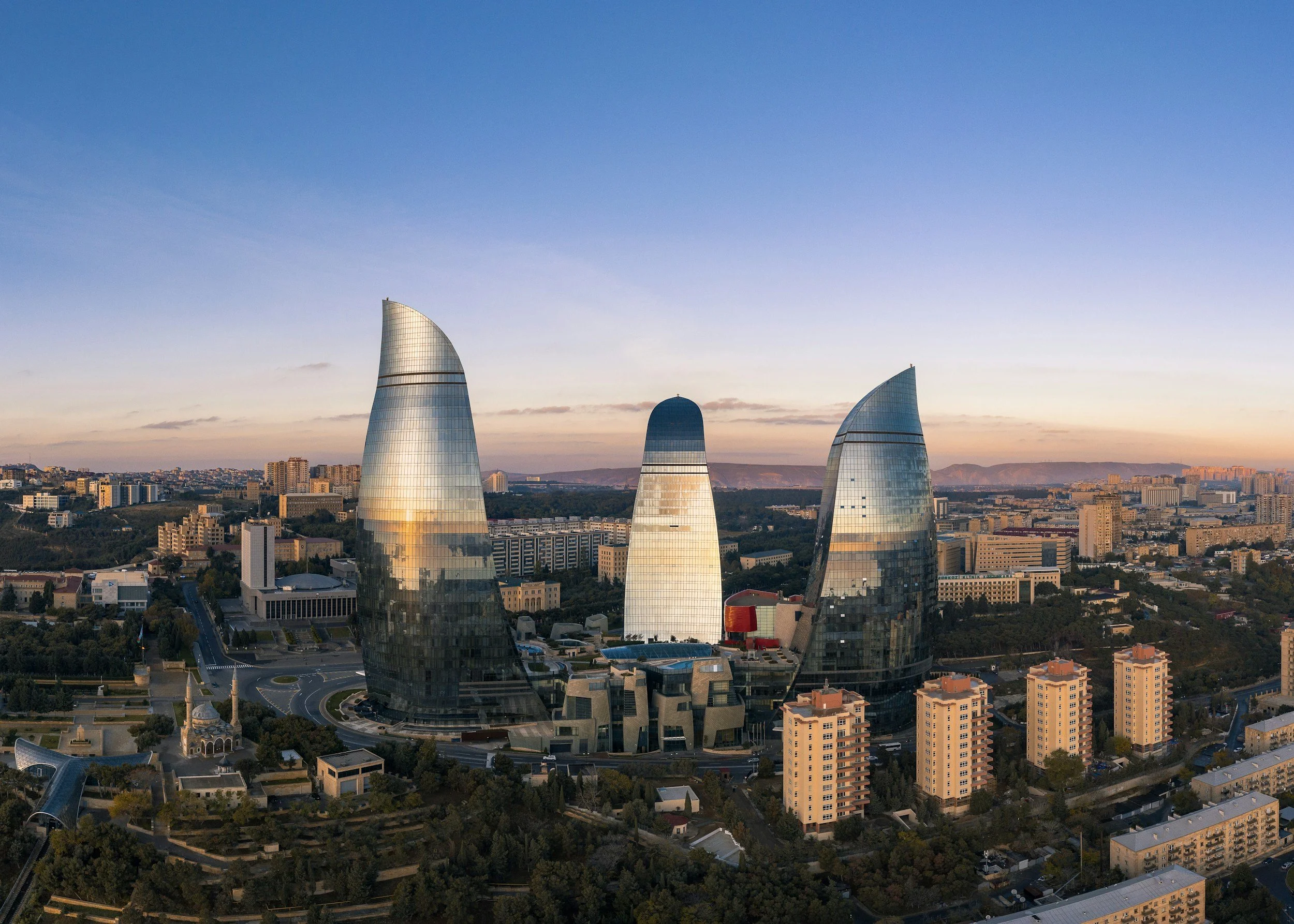
UN Climate Change Executive Secretary: A message for all
Simon Stiell(UN Climate Change Executive Secretary) addressed the Climate Week 2026 in Baku, Azerbaijan on Wednesday 9 September 2026 and said (amongst other messages, the following):
Baku holds a hugely important place in the recent history of international climate cooperation.
At COP29, countries agreed a new global climate finance goal of 300 billion dollars a year by 2035, and called on all actors to work together to scale up climate finance from public and private sources to at least 1.3 trillion dollars a year by 2035.….
That is why, from this Climate Week through to COP31 and beyond, we must drive the promise of the Paris Agreement further and faster.
That means delivering strong outcomes across every aspect of our work, especially on putting people and communities at the centre of these huge transitions.
And it means driving implementation through the Action Agenda – connecting governments with businesses, investors, cities, regions and civil society – making deals and turning plans into projects.
Baku Climate Action Week 2026: Transforming Climate Commitments into Realities
The landscape of climate action is evolving, with a growing emphasis on moving beyond setting goals to illustrating how those goals can be achieved through investment, technology, collaboration, and tangible results. Against this backdrop, the third annual Baku Climate Action Week (BCAW) unfolds in Azerbaijan.
This year's event holds particular significance as it coincides with the United Nations Framework Convention on Climate Change (UNFCCC) Climate Week, offering a vital gathering space for governments, businesses, investors, researchers, and organisations working towards a lower-carbon economy. Rather than concentrating solely on long-term climate targets, BCAW is structured around a more immediate question: what steps must be taken now to transform climate commitments into real-world outcomes?
From Commitments to Implementation
The launch of Baku Climate Action Week gathered representatives from Azerbaijan's government, international organisations, the private sector, and both current and future COP Presidencies. A clear message resonated throughout the discussions: sustaining momentum between major climate conferences is crucial.
While COP meetings are vital for setting international commitments, true progress hinges on the actions taken in the interim. Governments must create effective policies, businesses need to lower emissions, investors require assurance in new technologies, and projects need access to financing. BCAW serves as a platform for these diverse groups to connect and explore how climate ambitions can be translated into action.
Energy Transition
The energy transition is at the forefront of discussions as one of the pivotal challenges in the global climate shift. It emerged as a key theme during the initial talks, with participants delving into the swift advancement of renewable energy, breakthroughs in green technologies, and the potential of digital tools to aid the transformation of energy systems.
The dialogue extended beyond individual nations, highlighting the growing importance of regional collaboration. As countries investigate how renewable electricity, green hydrogen, and other low-carbon resources can shape new international value chains, Azerbaijan sees an opportunity to establish itself within the evolving regional green energy economy and attract investment in new technologies and infrastructure.
Reducing Emissions
Reducing emissions within the industrial sector is crucial for transitioning to a lower-carbon economy, as renewable energy solutions alone are insufficient. Industries with significant greenhouse gas emissions must identify effective strategies to minimise their environmental impact. Therefore, industrial decarbonisation emerged as a key topic during the initial discussions. Addressing methane reduction, establishing carbon markets, and enhancing access to climate finance are all essential components of tackling this broad issue.
For businesses, this underscores an increasingly critical reality: a deep understanding of emissions is becoming essential for effective management. Reliable carbon data enables organizations to determine where emissions originate, assess reduction opportunities, and make more informed investment choices. Additionally, it provides the necessary evidence to showcase progress to customers, investors, regulators, and supply-chain partners.
Finance, Markets, and the Future of Climate Action
A significant obstacle to advancing climate initiatives is not the absence of solutions but rather the challenge of financing and expanding them. During Baku Climate Action Week, there is a strong focus on climate finance, carbon markets, and strategic investments. To incorporate technologies and projects into the global economy that currently function on a smaller scale, mobilizing private capital will be crucial.
Confidence in these investments can be strengthened by providing clearer carbon information, credible measurement, and transparent environmental claims. The ongoing dialogue about carbon markets highlights the essential role of high-quality emissions data. As carbon considerations increasingly influence business decisions, it is vital for organizations to accurately understand their emissions rather than merely estimate them.
Takeaway Message from Baku
The larger takeaway from Baku underscores that the essence of Climate Week extends beyond just another climate event. It signifies a broader shift in addressing climate action, focusing on implementation, accountability, and tangible results.
Businesses are set to play a crucial role in this evolution. Companies that recognize their environmental impact, invest in substantial reductions, and can showcase their progress will be better prepared as climate considerations gain a stronger foothold in global markets. The key message from Baku is evident: ambition in climate efforts must be paired with decisive action.
This action begins with understanding our current position: measuring impact, identifying improvement opportunities, and establishing a credible path towards reaching Net Zero.
Sources: