
AI Data Centres Are Growing Fast. What Is Their Environmental Footprint?
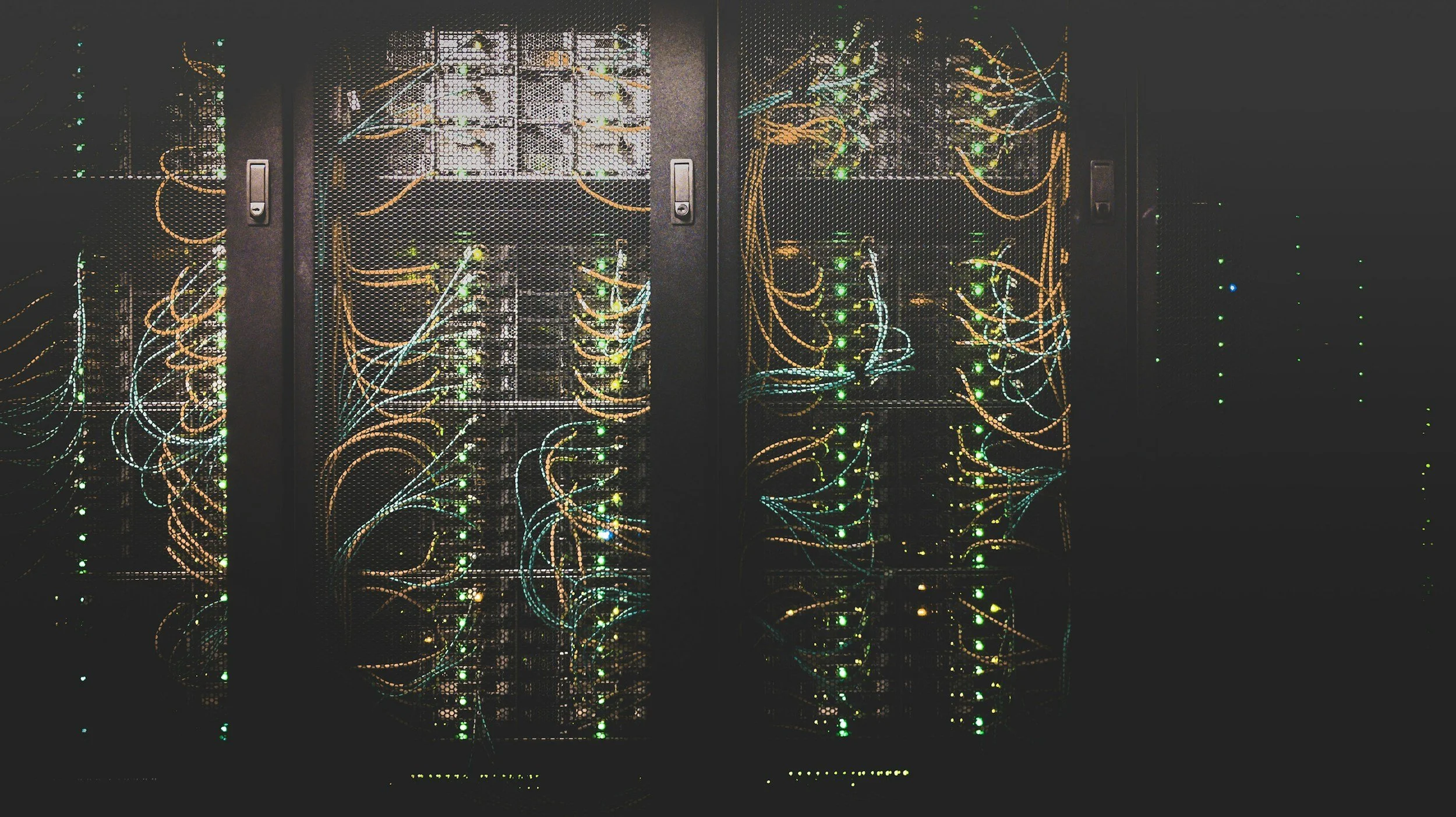
Data centres have become part of the infrastructure of everyday life. They support online shopping, cloud storage, streaming services and, increasingly, artificial intelligence. Most people rarely think about where these services come from, but the facilities behind them are expanding rapidly.
For all the talk of AI as a digital revolution, the infrastructure is decidedly physical. It involves concrete and steel, electrical networks, cooling systems, water and large quantities of computing equipment. Building and operating it has environmental consequences, and electricity use is only one part of the picture.
Electricity demand is rising sharply
Data centres consumed approximately 415 terawatt-hours (TWh) of electricity worldwide in 2024, according to the International Energy Agency (IEA). That was around 1.5% of global electricity consumption, and more electricity than Australia generates in a year. In the IEA’s base-case projection, demand rises to approximately 945 TWh by 2030-more than double the 2024 figure.
Australia faces a similar shift. The Australian Energy Market Operator (AEMO), which forecasts electricity demand and helps plan the power system, expects data-centre consumption in the National Electricity Market to increase from approximately 5 TWh in 2025–26 to 34 TWh by 2035-36. Growth on that scale has implications not just for electricity supply but also for the networks and equipment needed to deliver it.
The infrastructure behind the computers
There is no single standard size for a data centre. The IEA describes conventional facilities as typically around 10–25 megawatts (MW), while large AI-focused facilities may require 100 MW or more. Some proposed projects are now approaching the gigawatt scale.
Large facilities can benefit from more efficient power distribution and cooling. At the same time, their size can create demands beyond the site boundary. A smaller facility might connect to an existing electricity network; a major campus may need new substations, transmission connections and other network upgrades.
Within the site, the list of materials and equipment is extensive: foundations, concrete slabs, structural steel, transformers, switchgear, cables, backup generators, batteries, pumps and cooling systems. All require resources and energy to manufacture. Their environmental impacts begin well before the first server is switched on.
What a French study reveals
A life-cycle assessment of Data4’s DC19 data centre in France helps illustrate the significance of these less visible impacts. The study considered a 5 MW facility over a 20-year period, excluding the servers themselves. Production of infrastructure equipment and materials accounted for approximately 39% of its reported carbon footprint, while operation accounted for around 48%.
These figures are specific to the facility and the study’s boundaries; they should not be treated as typical of every data centre. Nevertheless, they show why an assessment limited to operational electricity can miss a substantial part of the environmental picture.
Using Life Cycle Assessment while choices can still be made
Life Cycle Assessment (LCA) examines environmental impacts across a product or facility’s life, from extracting raw materials and manufacturing components through construction, operation, maintenance and eventual reuse or disposal.
For a new data centre, its greatest practical value may come early in the design process. Developers can compare locations, consider whether an existing building could be adapted, assess alternative construction materials and investigate different electricity and cooling systems. They can also look at water requirements, expected equipment replacements and the ability to accommodate future technologies.
These choices involve trade-offs. A cooling system might use less electricity but require more materials or water. A site with a favourable electricity supply might need extensive new network infrastructure. LCA provides a way to examine these consequences together rather than selecting an option on one measure alone.
As a project moves into detailed design, estimates can be refined using supplier information and Environmental Product Declarations. Once the facility is operating, the assessment can be updated with actual energy, water, maintenance and replacement data. But by then, many of the biggest design decisions will already have been made.
The computers have a footprint of their own
A building may remain in service for decades, while its servers, processors, storage and networking equipment are replaced several times. Those components carry their own manufacturing and supply-chain impacts, in addition to the electricity they use.
AI is also changing how data centres are cooled. Powerful processors concentrated in relatively small spaces produce substantial heat. Alongside conventional air cooling, operators are considering direct-to-chip liquid cooling and immersion systems.
A 2025 study published in Nature by Alissa and colleagues, involving Microsoft and WSP, used LCA to compare advanced cooling configurations with a conventional air-cooled configuration. The advanced systems studied showed potential reductions in greenhouse-gas emissions, energy demand and blue-water consumption. The results are encouraging, but they apply to the configurations examined, not automatically to every installation.
The wider lesson is that decisions about computing equipment and building infrastructure are closely linked. Changes in processors and power density can alter cooling requirements, electrical distribution and the design of the facility itself.
An unusual approach in China
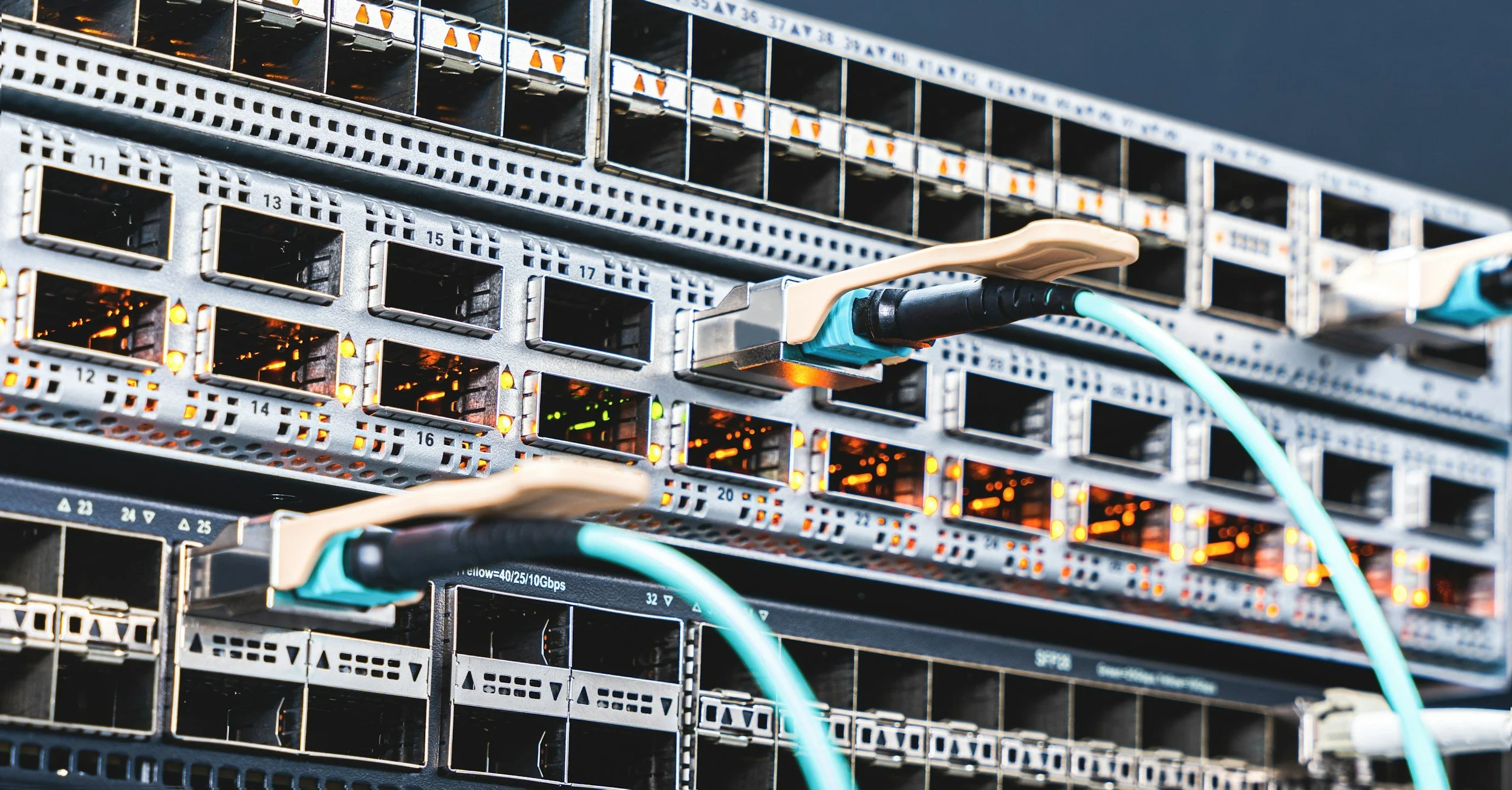
China has deployed commercial underwater computing facilities that use surrounding seawater as part of their cooling approach. It is a striking departure from conventional land-based data centres and raises an obvious question: does it reduce the overall environmental footprint?
Cooling may require less energy, but underwater construction, installation, maintenance, recovery and potential marine impacts also need to be considered. Publicly available information does not yet establish, through a comprehensive comparative cradle-to-grave LCA, that underwater data centres are environmentally preferable. The example does, however, show how widely developers are rethinking the design and location of computing infrastructure.
The decisions made before construction matter
As new capacity is planned, practical questions deserve attention. Is a new building necessary? Is the proposed size appropriate? How will the site obtain electricity and water? What cooling technology suits its climate and computing needs? Can the building adapt when hardware changes? What happens to equipment at the end of its useful life?
These are environmental questions, but they are also questions of cost, resilience and long-term performance. Considering them together, before the design is fixed, creates opportunities that are difficult or expensive to recover once construction has begun.
AI may also help reduce environmental impacts
There is another side to the discussion. AI uses energy and materials, but it can also help organisations manage electricity networks, improve industrial processes, optimise building energy use and support scientific research. Some applications may produce meaningful environmental benefits.
Those benefits should not be assumed. They need to be demonstrated and, where possible, quantified alongside the impacts of developing and operating the technology. A balanced assessment considers both the resources AI consumes and the improvements it can deliver.
Designing the next one better
Data centres are essential infrastructure, and demand for them is likely to keep growing. Measuring their electricity consumption remains important, but it cannot tell us everything about their environmental performance. Construction, cooling, electrical systems, IT equipment and replacement cycles all matter.
LCA can measure the footprint of a completed facility. Used earlier, it can also help developers make better decisions about what to build, where to build it and how it should operate. As investment in AI infrastructure accelerates, that is where much of its value lies.
The question is not only what environmental impact a new data centre will have, but what can be done now to design the next one better.
Book your free LCA scoping
Visit our webpage today to get started with a complimentary LCA scoping session and discover how credible environmental data can help your business respond to a rapidly changing climate.
Read more about the Sources:
1. IEA — Energy and AI: Energy demand from AI
2. AEMO — 2026 Electricity Statement of Opportunities
3. IEA — Understanding the energy–AI nexus
4. Uptime Institute — The growing PUE advantage of larger data centers
5. FERC — Interconnection of Large Loads
6. Data4 and APL Data Center — DC19 Life Cycle Assessment
7. RICS — Whole Life Carbon Assessment, 2nd edition
8. Alissa et al. (2025), Nature — Sustainable cool clouds
9. State Council Information Office of China — Underwater computing centre